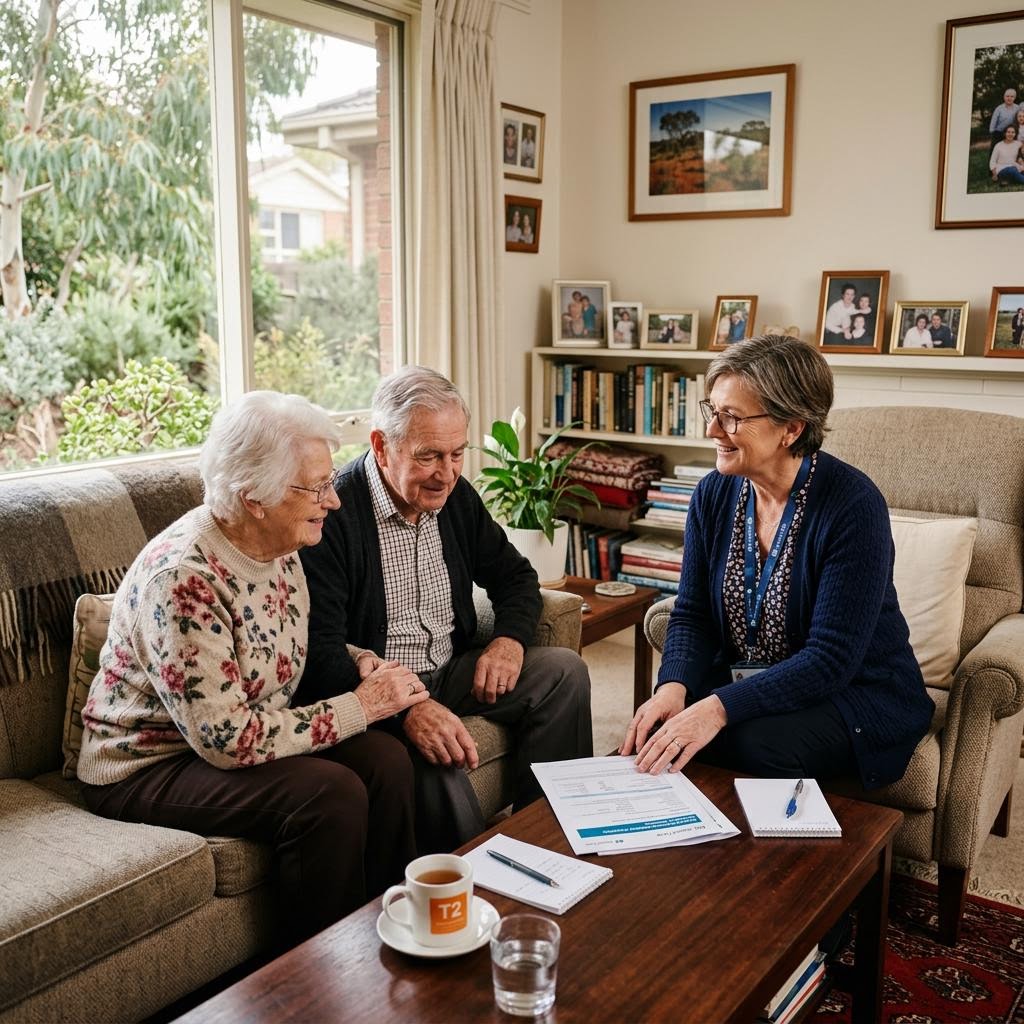
For decades, navigating the Australian aged care system required a frustrating understanding of the differences between Regional Assessment Services (RAS) for basic needs and Aged Care Assessment Teams (ACAT) for complex care. The recent introduction of the Single Assessment System has unified these disparate pathways, aiming to create a more seamless, dignified experience for older Australians seeking support.
A Truly Unified Approach
The new system employs a single, national network of assessors. This means that whether your needs are basic (like requiring occasional domestic help to manage a large property) or highly complex (requiring permanent residential care due to advanced dementia), you will enter the system through the exact same doorway. You will no longer be bounced between different agencies if your care needs escalate during the waiting period.
The Integrated Assessment Tool (IAT)
At the very heart of the new system is the Integrated Assessment Tool (IAT). Assessors use this comprehensive, tablet-based framework during their home visit to evaluate physical capabilities, cognitive health, psychological wellbeing, and the safety of the living environment. The IAT ensures a standardized, objective evaluation across the country, aiming to eliminate the postcode lottery where assessment outcomes varied wildly depending on where you lived.
The IAT doesn't just look at what you cannot do; it actively focuses on reablement. The assessor will identify areas where short-term therapeutic intervention (like a course of physiotherapy or the installation of specific grab rails) might restore your independence, rather than immediately prescribing long-term dependent care.
What This Means for Families
The streamlined process is explicitly designed to reduce agonizing wait times and eliminate the need for multiple, repetitive assessments as care needs change over time. When preparing for an assessment under the new system, families should focus on presenting a holistic view of the individual's daily challenges.
It is vital that family carers participate in the assessment interview if possible. Often, an older person may mask their difficulties out of pride or a fear of losing their independence. A family member can gently provide the assessor with the full context of their living situation, ensuring the resulting Support Plan accurately reflects the reality of their daily struggles and the risk of carer burnout.
References
- Department of Health and Aged Care (2025). The Single Assessment System implementation guide.
- My Aged Care (2026). Preparing for your aged care assessment.
- Aged Care Quality and Safety Commission (2025). Assessment standardisation.